Two audiences, two risk profiles
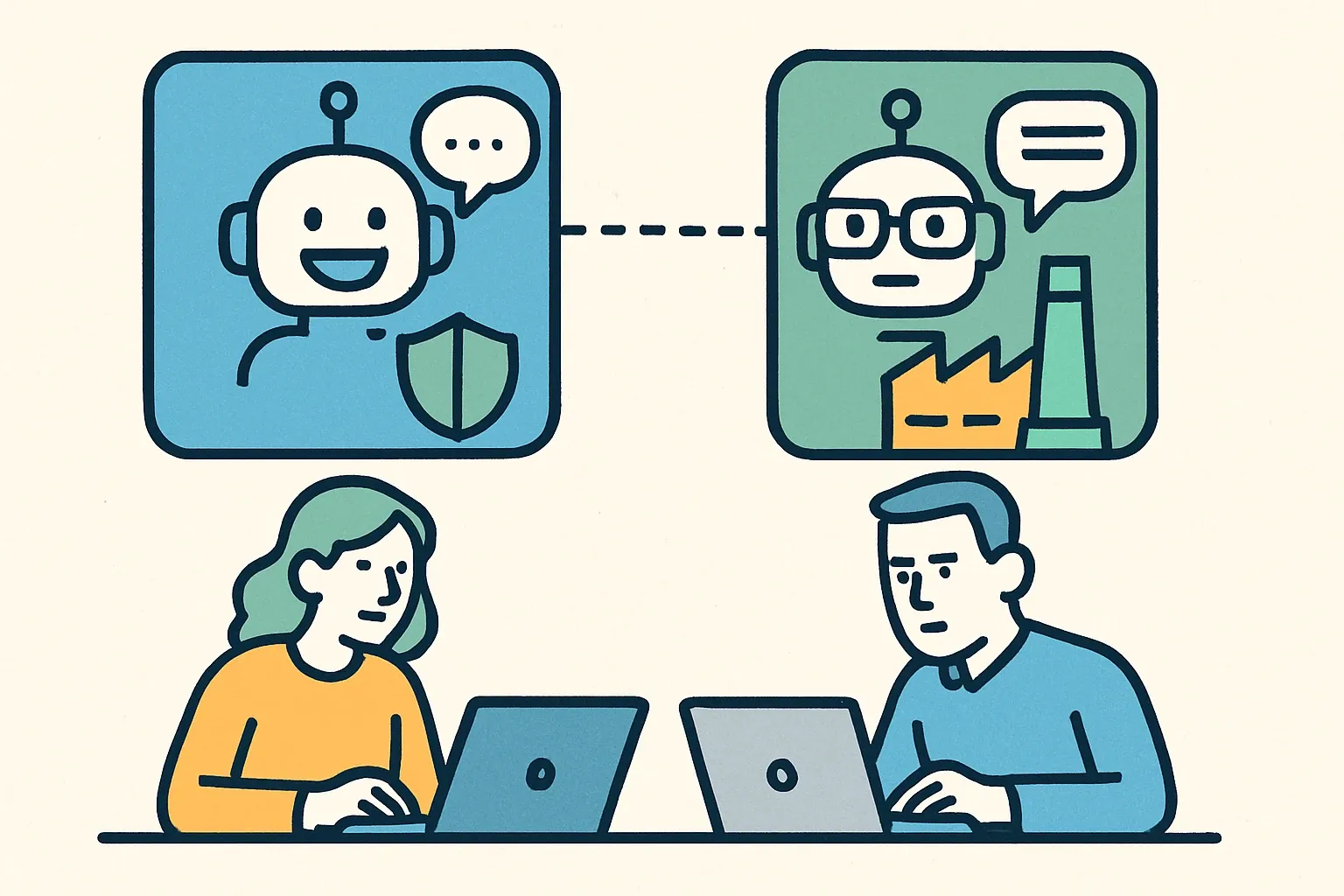
A public chatbot is a lobby. It should be welcoming, clear, and safe. An internal assistant is the shop floor. It must know how things are made and why numbers move across modules A1 to C4. Asking one tool to do both jobs invites accidental leakage of sensitive data.
What belongs in the customer bot
Keep it to product basics, current certifications, and plain language explanations of EPD scope and program operator. Summaries are fine, not the spreadsheets behind them. Link to published declarations and spec sheets that are already public. If a question hints at unpublished results or comparative claims, the bot should route the user to a human contact.
What belongs in the internal bot
This is where detailed lifecycle data lives. Think plant specific utility pulls, allocation choices, transport routes, material safety notes, test reports, and the short list of viable alternates when a spec needs a fast pivot. Let it answer common RFQ prompts and map questions to the right PCR and operator so teams do not reinvent the wheel every Tuesday.
Signals that you need a dual stack
- Sales asks the same five substitution questions every week and waits for experts.
- Technical teams spend hours hunting for the latest EPD or the right PCR reference.
- RFQs request compliance proofs that are in scattered folders, not searchable context.
- Marketing wants guardrails so the website bot does not overpromise or drift into advice.
Design guardrails that keep both sides safe
Start with role based permissions and clear content tiers. Public content is read only and pre approved. Internal content is permissioned, versioned, and watermarked. Use retrieval augmented generation so the bot cites sources inside answers. Capture audit logs for who asked what and which documents were used, then review them weekly. Redaction for supplier names or cost fields can prevent headaches later.
Build or buy, decide with three questions
Can your team govern data quality every month, not once a year. Do you have a clean source of truth for product IDs, EPD files, and spec sheets. Will IT support integrations into CRM and document stores. If any answer is a shaky maybe, buy the core and extend it where you hold an edge.
Tie the tool split to EPD timelines
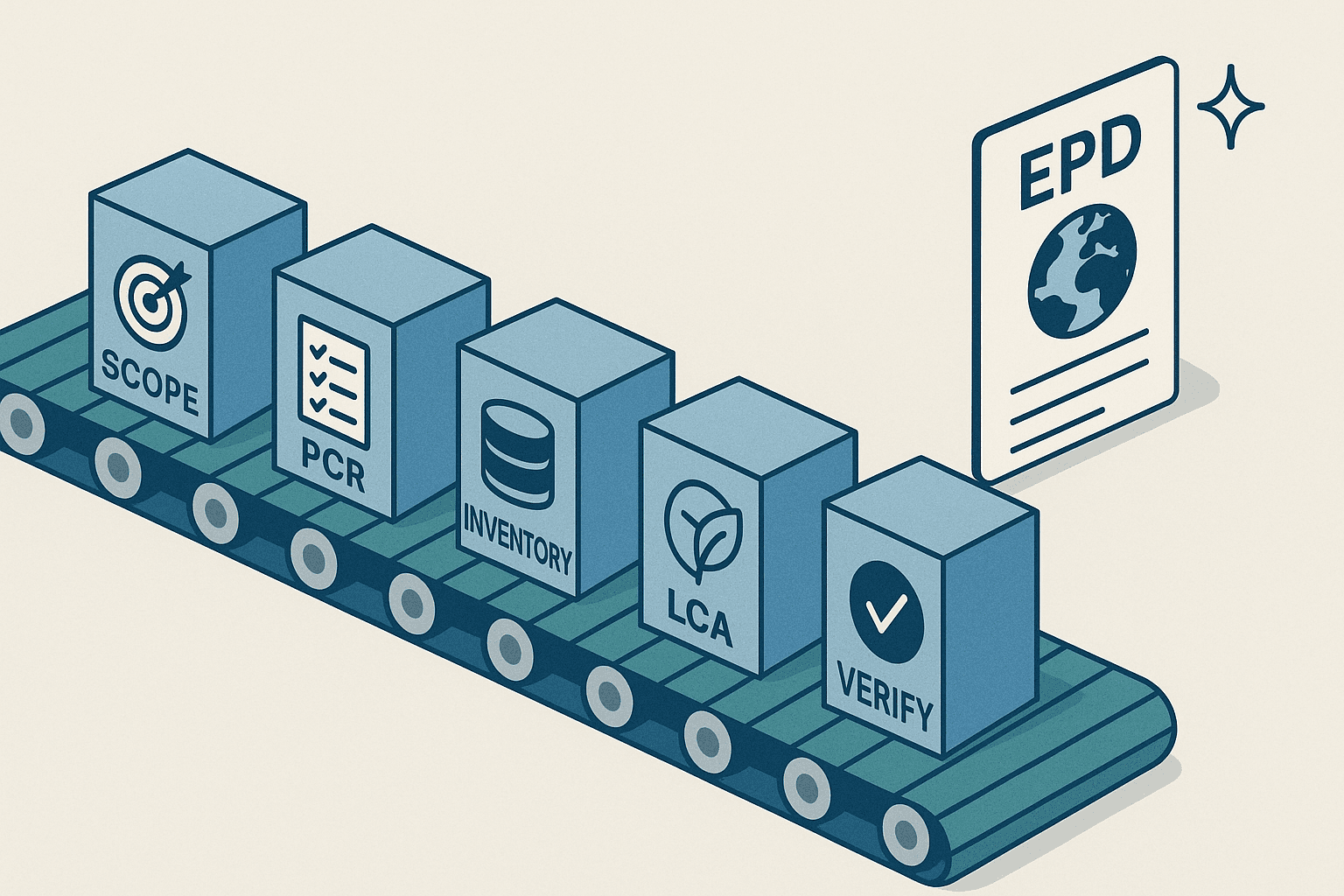
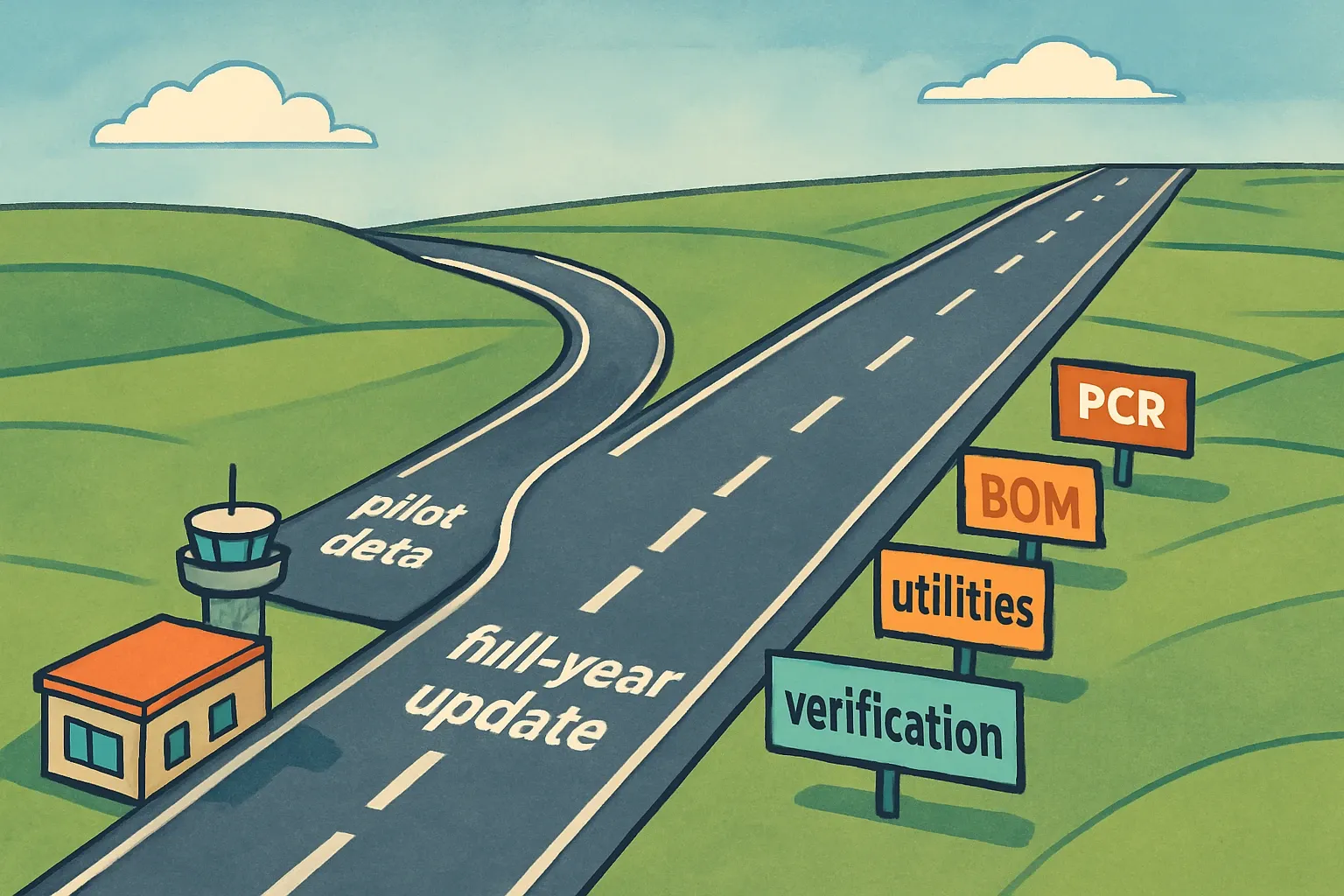
Internal assistants should flag upcoming declaration renewals and check whether the underlying PCR changed. EPDs typically carry a five year validity window, which means renewals cluster and create crunch periods (ISO 14025, 2018). A bot that tracks expiries, drafts intake checklists, and preloads prior assumptions can smooth that wave for everyone.
Privacy, accuracy, and change management
Train staff on what the public bot will never answer. Add prompts that decline comparative claims unless a published study exists. For the internal assistant, require inline references for any number. Start simple with high volume intents, then expand. People adopt tools that shave minutes off real tasks, not just nice demos.
Measuring ROI without spreadsheets that bite back
Look for faster RFQ turnaround, fewer expert touchpoints per bid, and lower rework from outdated specs. If the sales team can self serve a substitution answer in two minutes, the value shows up in closed deals and fewer firefights on Friday. Reliable cost averages are hard to pin down because project scopes vary, so track cycle time and win rate shifts instead.
Make the split work for you
Two tools, one philosophy. Public answers should build trust and never expose risk. Internal intelligence should compress the path from question to verified, document backed response. When that happens, experts get their time back, sales gets speed, and the website stays tidy. Everyone breathes a little easier, which is definately worth it.