Start with the dates that move revenue
Map the next 24 to 36 months by quarter. Drop in known mega bids, distributor line reviews, and launch windows for priority products. Add the regions that matter most. This creates the backbone for when an EPD must be live, not just in progress.
Build a policy calendar you cannot ignore
State procurement rules influence private jobs through specs and copycat thresholds. California currently sets maximum global warming potential limits for four core material categories in public projects, with updates managed by the state procurement agency (California DGS, 2024) (California DGS, 2024). Washington requires EPDs and maximum GWP for common materials on state projects as its program scales across portfolios (Washington DES, 2024) (Washington DES, 2024). Note each policy’s material scope, proof required, and the month enforcement begins.
Plan around EPD and PCR clocks
Most construction EPDs are valid for five years, which sets the renewal horizon for each product family (EPD International, 2024) (EPD International, 2024). PCRs carry their own validity, often three to five years depending on the operator, so a renewal may also require a method update at the next cycle (EPD International, 2024). Mark both on the roadmap to avoid last minute scrambles.
Sequence new EPDs with renewals
Blend new declarations with renewals so publication volume is steady. Pull forward any renewal that would lapse near a high stakes bid window. If a portfolio uses shared data blocks, run those products together for efficiency so gatekeepers only chase one data request rather than five.
Use the sales cycle as your metronome
Back schedule from the commercial moment of truth. If a project shortlist is expected in September, the EPD should be publicly available by July. Trustworthy national averages for construction deal timelines are sparse, so ask sales to tag opportunity stages and share typical lead times by channel. Then lock publication dates that beat those lead times by at least one quarter.
Decide data years and “prospective” options early
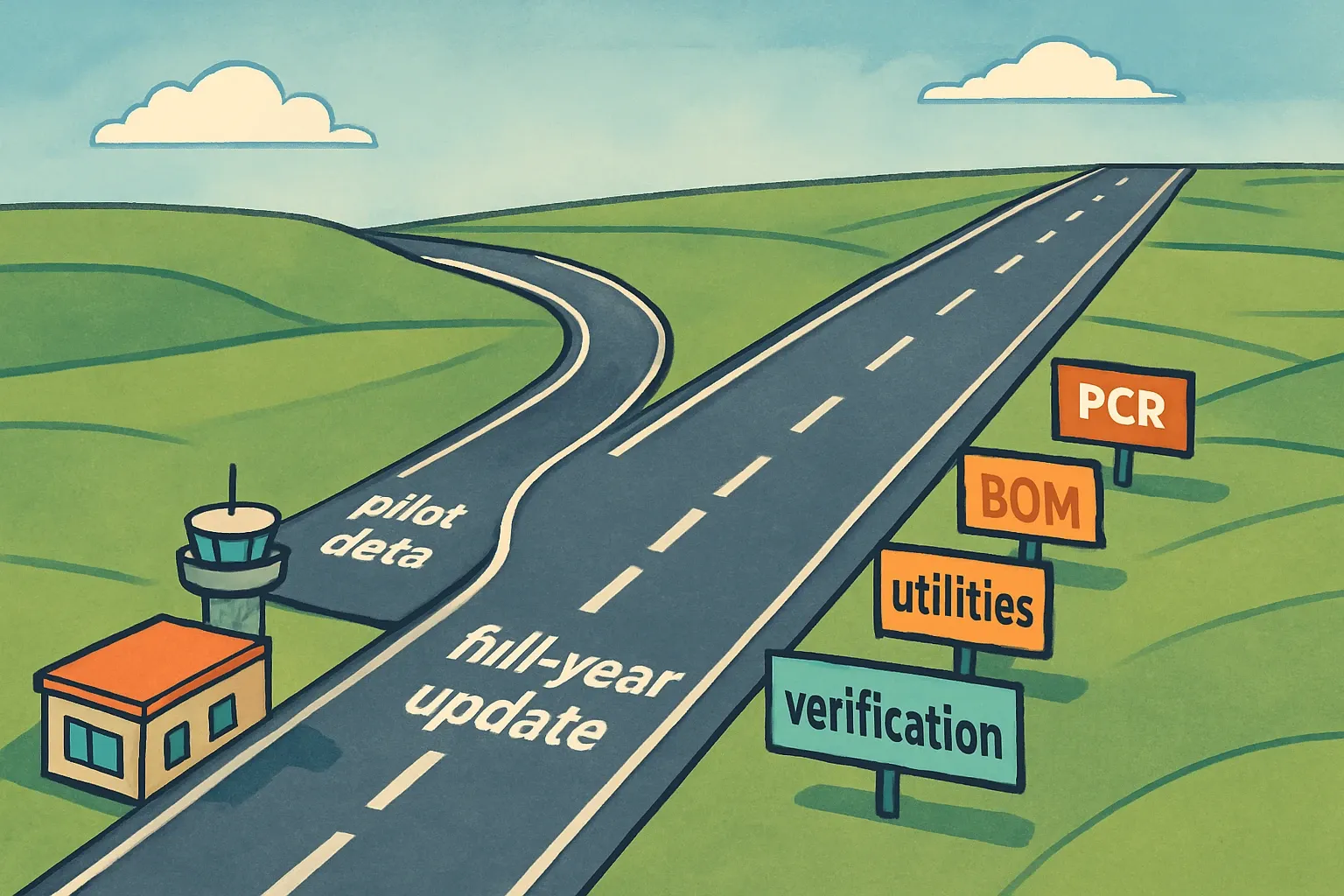
Pick reference years deliberately. If a plant changed fuel mix or scrap rates, choose a year that reflects the steady state rather than an odd blip. For brand new products where only a few months of production data exist, a prospective EPD may be possible in some programs, then updated once a full year is available. Rules vary by operator, so document which path applies.
Build a simple risk and ROI lens
Score each product with two questions. How many bids or channel commitments will require an EPD in the next 12 to 18 months. How likely is policy exposure in target regions. Products that rank high on both move first. Products with low policy risk but strong brand upside can anchor quieter quarters.
Lock the choreography for data and reviews
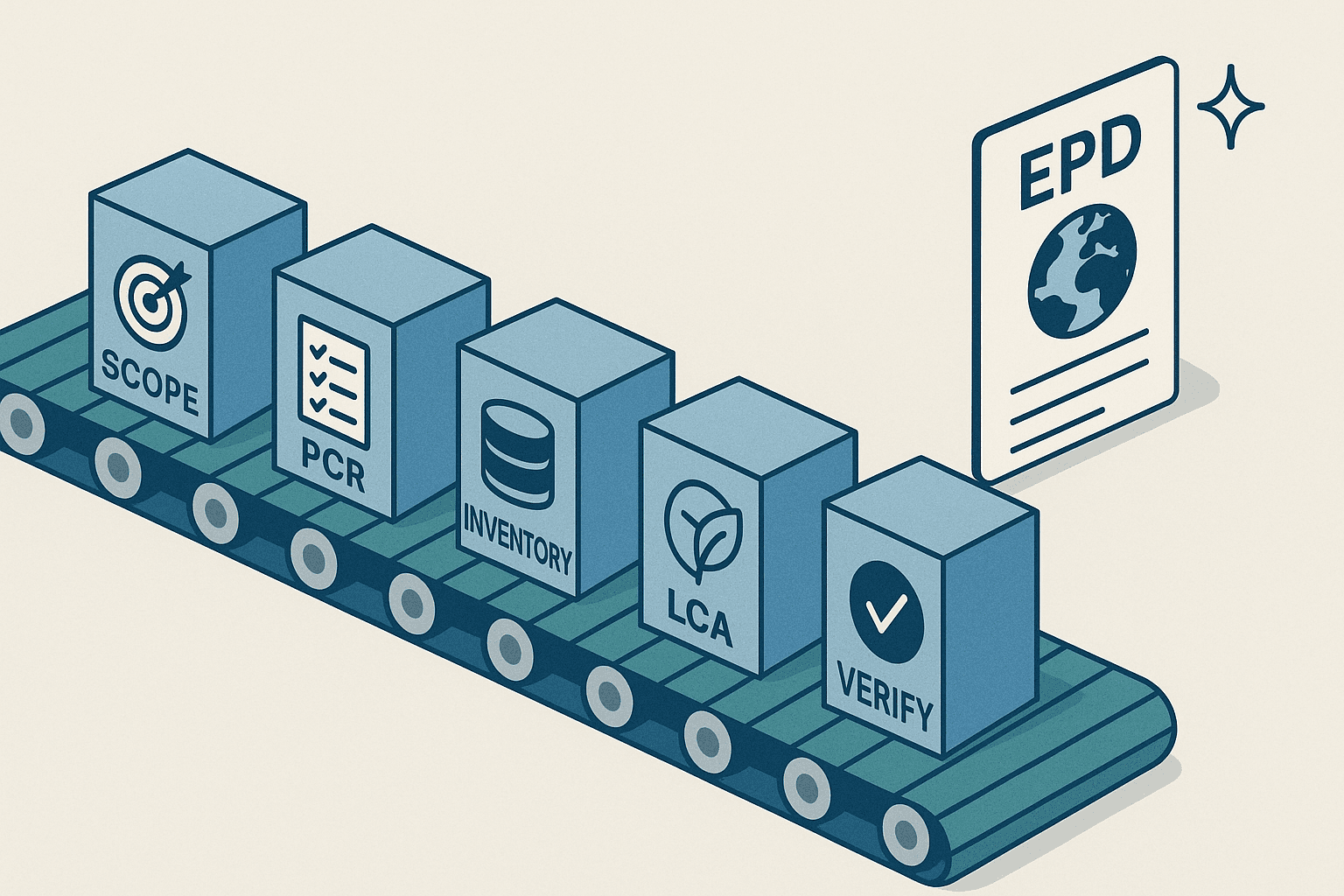
Name one cross functional owner for each site and product family. Create a standing quarterly check in that confirms data readiness, LCA modeling status, verifications, and publication steps with the chosen operator. Keep sign off loops short. One reviewer for technical accuracy and one for claims language is usually enough, anything more slows the train.
Budget time, not just money
Calendar the hours your experts will spend pulling data and answering clarifications. Protect those hours ahead of maintenance shutdowns or high season. The real cost is often time from R and D and plant leaders, and freeing that time is definitly worth planning.
Keep the roadmap rolling
Treat the plan like Tetris. As bids shift, new product ideas appear, or policies tighten, slide blocks without losing the overall shape. Update the view every quarter. The goal is simple. No key bid without a current EPD, no surprise expiry inside a renewal window, and no stranded revenue because the paperwork lagged the sale.