What these Guidelines are, in plain English
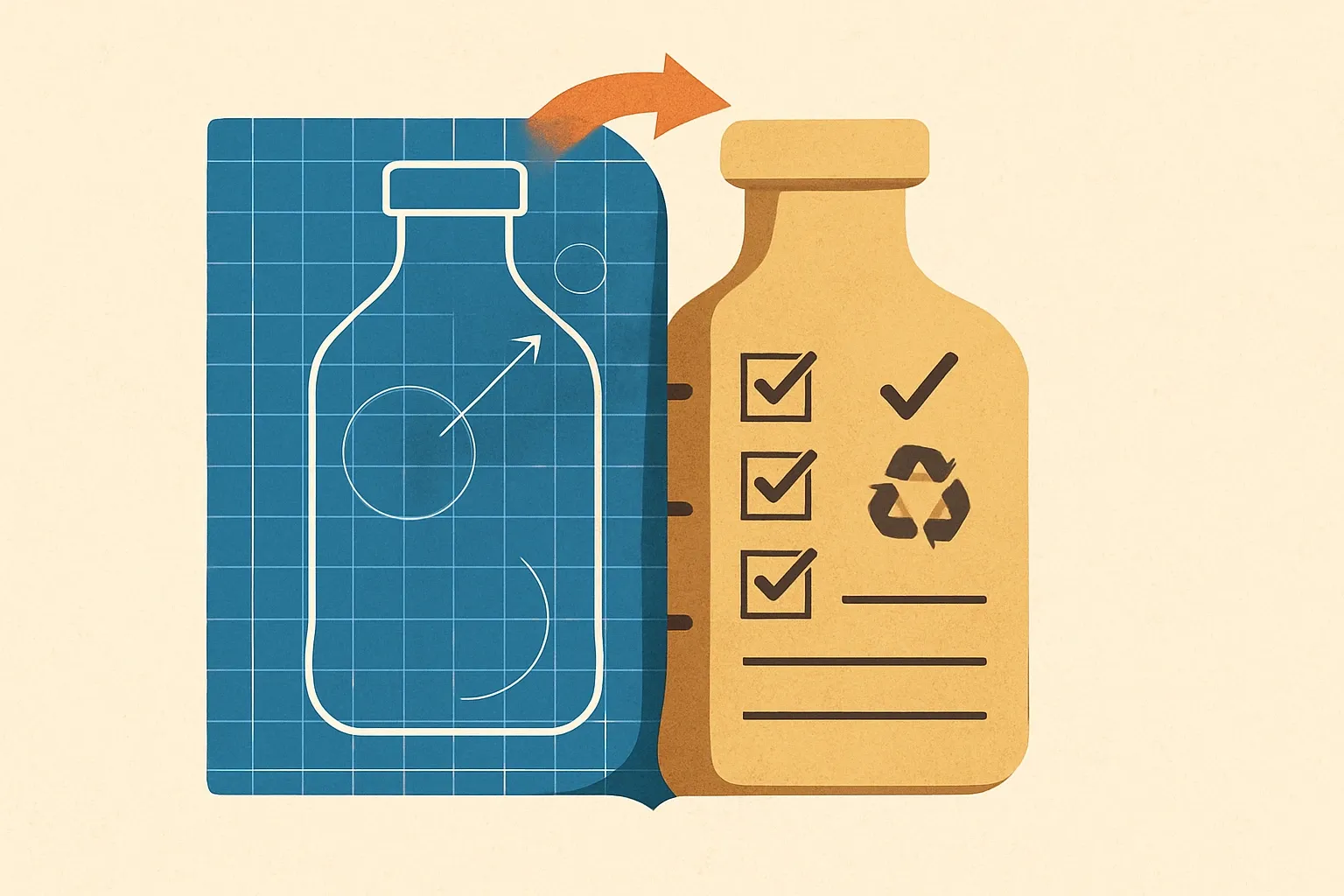
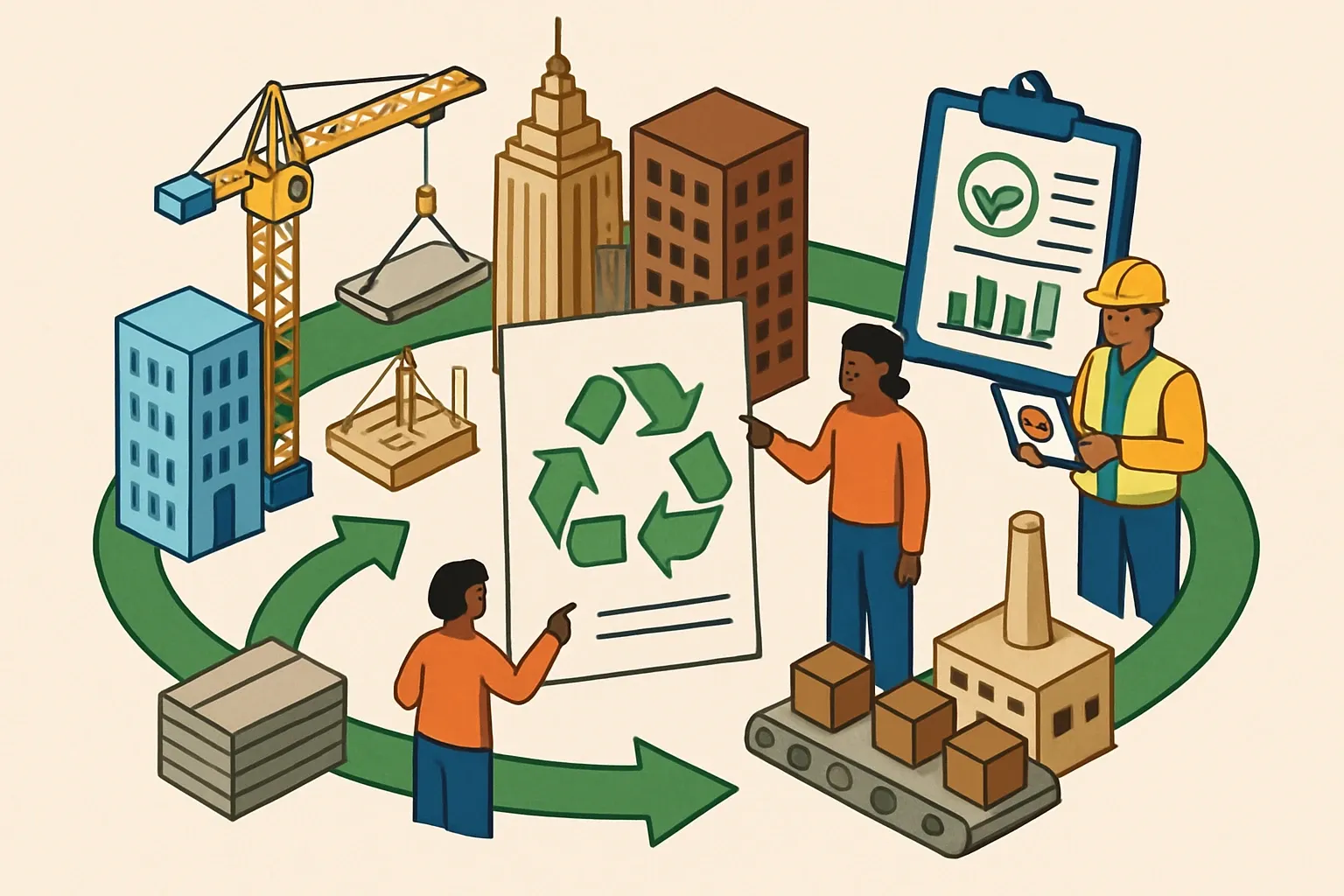
NYCEDC’s Circular Design and Construction Guidelines are an operational playbook for reducing embodied carbon and waste on the city’s capital projects. They set goals, define required deliverables across the project life cycle, and list strategies project teams use to comply (NYCEDC, 2025).
Why they matter commercially
NYC has a public target to cut the construction sector’s carbon footprint 50 percent by 2033, which pulls product choices into the spotlight (MOCEJ Clean Construction, 2023). Construction accounts for 23 percent of global emissions, so material decisions are now schedule and risk decisions too (MOCEJ, 2023).
Where EPDs fit
The Guidelines push teams to document embodied impacts and circular outcomes, and EPDs are the common proof. In parallel, New York State’s Buy Clean Concrete guidance requires EPDs for all concrete mixes on state projects starting January 1, 2025, with GWP thresholds staged over time (OGS, 2025). Even when a project is city‑led, bidders increasingly mirror state submittal norms to avoid change orders.
The signals inside the Guidelines suppliers should watch
Expect mandatory deliverables such as material tracking logs, reuse and salvage plans, and design-for-disassembly notes, plus narrative on how your product reduces waste and carbon. NYCEDC flags circularity strategies and progress checks across design and construction, so late EPDs or vague claims slow the team down (NYCEDC, 2025).
The numbers shaping specs
City policy points to a 50 percent reduction target by 2033 for new buildings, infrastructure, and major retrofits, creating a bias for lower‑GWP, EPD‑verified options (MOCEJ Clean Construction, 2023). The SPARC Kips Bay campus is projected to cut 26,400 metric tons of carbon by applying the Guidelines, which shows the scale buyers now expect from material choices (NYCEDC, 2025). NYCEDC also notes C&D waste is more than 60 percent of the city’s solid waste stream, so products that enable reuse or high‑value recycling have a head start with reviewers (NYCEDC, 2025).
Want to win more projects in NYC?
Follow us on LinkedIn for insights on how EPDs and circular strategies can unlock compliance and boost your bottom line.
What to do this quarter
- Map your portfolio to likely NYC use cases and list which SKUs lack current, product‑specific EPDs. Prioritize concrete, steel, asphalt, glass, and any high‑volume assemblies.
- Lock your reference year data and utility bills so LCAs can start without back‑and‑forth. Missing data kills momentum.
- Align on PCRs used by competitors so results are comparable in bids. If multiple PCRs fit, pick the one that will still be valid at your renewal window.
- Pre‑write circularity language. Spell out recycled content, take‑back, repairability, and part reuse to drop straight into submittals.
PCRs and program operators, the quick take
Choose the PCR that dominates your competitive set so specifiers can compare apples to apples. Publish with a program operator that your buyers already accept in the US market, and keep the door open to EU operators if you sell into cross‑border projects. The operator is less important than timely, verifiable data and a clean submittal package.
Design for circularity that sells
Small design choices unlock big wins. Swappable fasteners beat permanent adhesives when a wall panel needs a second life. Clear component labeling speeds deconstruction. A published repair kit and part list can be as persuasive as a low GWP value when the reviewer is balancing waste outcomes. We dont see many teams regret making their product easier to disassemble.
Bid hygiene that avoids painful RFIs
Send EPD PDFs with filename conventions that match spec sections, plus a one‑page cheat sheet calling out declared unit, plant location, and GWP number. If your product has options, include a matrix that links SKUs to the correct EPD and circular features. Treat it like a great album liner note that helps the listener catch every track.
Watch the edges of scope creep
The state’s embodied carbon reporting under EO 22 sets quantity thresholds for disclosure that can pull in more of your catalog on mixed city‑state projects. For example, concrete mixes at or above 50 cubic yards on buildings trigger reporting, which means late EPDs can push buyers to a competitor with easier paperwork (OGS, 2025).
The bottom line for manufacturers
NYC’s Circular Guidelines convert sustainability into procurement criteria. Teams that show clear EPDs, credible circular strategies, and practical reuse plans move through design gates faster and stick in the spec when value engineering hits. Treat this as a revenue play, not a paperwork exercise, and you will feel it in your pipeline.